
Which assets can you actually hand to the buyer?
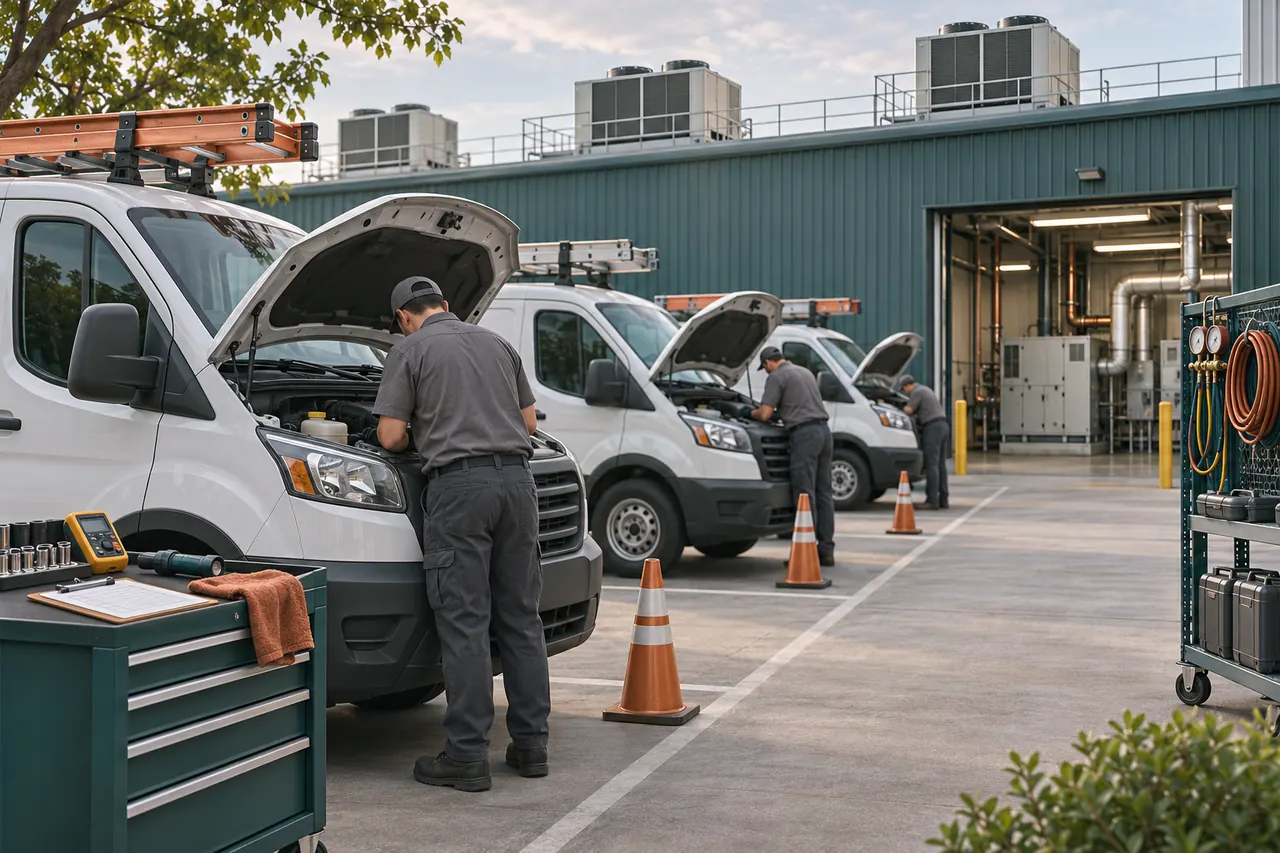
Walk the yard and reconcile each important item to an identifier, owner and planned disposition. Equipment visible at your premises might be leased, financed, customer-owned or held under a different company name.
Start with service vans, install trucks, trailers, lifts, recovery equipment and high-value diagnostic tools. Ask crews what stays on a jobsite, in a technician’s driveway or at a satellite location. The register on the accountant’s desk can show fully depreciated items still earning money and assets retired months ago. A physical count and an accounting schedule answer different questions.
Distinguish the vehicle from the equipment bolted into it. Shelving, cranes, recovery machines and specialized tools can have separate ownership and replacement needs. A technician might own an instrument the buyer assumes is included because it is visible in a branded vehicle. Record the arrangement and ask how the shop would replace the capability if the employee left.
Use your completed schedule to decide which evidence belongs in early diligence. A buyer can review unit codes, condition and expected costs before receiving documents containing private addresses, employee data or account numbers. Keep detailed title and financing records in the controlled room for the authorized reviewers who need them.
How do title and lien questions affect the closing date?
Identify the legal owner and each creditor with a claim on the asset, then ask counsel what evidence will clear the proposed transfer. A current balance on the ledger is not necessarily the payoff or release amount.
One loan can cover several vans and additional equipment. A creditor may require a specific amount or document before releasing a particular VIN. Obtain a dated quote, check the expiration and identify who will request an updated statement if closing moves. Avoid allocating a shared balance evenly across vehicles and representing the result as an agreed release price.
Read leases with their actual parties and schedules attached. Ask about assignment, purchase options, mileage restrictions, deposits and consent. A buyer that cannot assume favorable lease terms may face a higher monthly cost or a replacement purchase. Record conditions still under review and separate them from confirmed terms when you build a cash forecast.
- Match the physical asset and identifier to title, lease or equipment purchase records.
- Note the owner, secured party, relevant obligation and any shared collateral.
- Assign a person to obtain releases, consents or replacement contracts by the intended transfer date.
- Recheck the unit and updated payoff before the parties approve the final funds flow.
Which fleet costs change what your shop earns?
Examine regular operating costs and capital replacement separately. Repairs, fuel, insurance and downtime affect the business differently from buying a replacement van or paying principal on existing debt.
A strong recent P&L can conceal a fleet reaching the end of useful service. The owner might have delayed replacement to conserve cash before marketing the company. Ask your service manager which unit is least reliable, which routes depend on it and whether the backup vehicle can perform the same tasks. A spare pickup is little help when the missing van carries specialized equipment.
Keep records for scheduled service, collision repairs and major components. Identify what is ordinary for the vehicle and what arose from a distinct event. A large repair bill does not automatically qualify as an add-back. If the next owner will regularly incur comparable work across the fleet, the expense belongs in the assessment of continuing economics.
Prepare a replacement calendar by likely month. Include the base vehicle, fit-out, racks, tools, registration and lost productive time you expect. Record whether you will retain, sell or transfer the displaced unit. The timing matters when two aging vans are due during the same off-season month in which customer receipts slow.
How can you show fleet risk with a worked example?
Start with one unit and keep the valuation date separate from the future replacement date. Estimate the cash required for each decision on its own terms.
Illustrative composite — not a real client. A shop reports four service vans. One is excluded because it belongs to the seller personally. Another has a $30,000 supported current value and a current payoff of $21,000. That second vehicle has $9,000 of estimated equity before disposal costs. The buyer still needs a fourth operating vehicle if the excluded personal van served a daily route.
Suppose the replacement for the excluded van costs $48,000 delivered, its racks and upfit cost $8,000 and no trade-in comes with the purchase. The operating plan needs $56,000 before financing. The $9,000 of equity in the other van cannot simultaneously pay for the new van and continue supporting a full service route unless someone supplies financing or cash from another source.
Now imagine a second replacement falls due the following winter. Its expected cash need can affect the buyer’s ability to service acquisition debt even if the booked purchase price feels fair. Show the lender the monthly cash impact, the assumptions behind any fleet financing and what happens if a lender offers less than expected.
Which safety records belong in a sale review?
Start with the employer’s applicable responsibilities and actual operating risks. Keep injury and illness logs, incident follow-up, insurance records, training evidence and corrective actions identifiable so the right reviewer can evaluate them.
OSHA publishes the 300, 300A and 301 recordkeeping forms and explains that requirements and exemptions depend on the establishment and applicable criteria. Review your status with a qualified safety advisor, including state-plan requirements where relevant. Where logs are required, retain the appropriate records and protect employee privacy. A buyer should receive an explanation of applicability rather than a blank form presented as evidence that nothing ever happened.
Compare the safety files with the insurer’s loss history and actual job responsibilities. A shop serving commercial rooftops, residential attics and construction projects may need different training and supervision across those jobs. Focus on the records showing how your business identified a problem, assigned a correction and verified the change. A binder of policies alone tells little about daily practice.
| Record group | Question it answers | Exception to track |
|---|---|---|
| Fleet and liens | Who owns the asset and can deliver clear or agreed title? | A shared loan lacks a unit-specific release. |
| Maintenance | What repairs were completed and what is due next? | An essential unit has no recent service or condition evidence. |
| Safety review | Which records apply and were corrective actions completed? | A reported incident has an open follow-up. |
| Credentials | Who can perform the work the buyer plans to continue? | Only one person covers a material equipment category. |
How do credentials and refrigerant records fit beside the fleet?
Match the work your company sells to the people, equipment and records that make it possible. Fleet capacity can look adequate while a credential or supervisor gap prevents crews from taking a particular job.
EPA Section 608 certification applies to covered work on stationary refrigeration and air-conditioning equipment. Check each technician’s relevant certification type and actual responsibilities. State contractor licensing and local permits raise separate questions. Bring the specific jurisdiction, entity, qualifier and proposed post-close arrangement to the relevant authority and your attorney.
Ask your inventory lead where recovery equipment and refrigerant stock travel during the week. Asset location matters if the physical count occurred while crews were out servicing customers. Match records to identifiable equipment and ask your technical advisor to examine unresolved issues. Your diligence file should support a safe operating transition without publishing confidential employee or customer information.
Which exceptions deserve a closing condition?
Prioritize a problem by what it prevents the buyer from doing. An unresolved lien on the only installation truck can affect the first week of operations. A missing historical invoice on a spare tool might be manageable with other evidence.
Make the issue concrete for your attorney. Name the unit, the service line that depends on it, the party that can provide a release and the expected response time. If the financier has offered a release subject to payment, record the amount and the conditions in the settlement preparation. If the parties have only requested a release, label it as pending. A lender reviewing your closing file needs to know which of those situations actually exists.
Do a similar exercise for open corrective actions. Identify the responsible operations lead, any necessary qualified inspection and the records showing completion. Keep medical and personal information restricted to the proper reviewers. Use the general diligence schedule to report the status and practical consequence without distributing details the wider deal team does not need.
Revisit those items if the closing date changes. Insurance certificates, payoff figures, inspection dates and equipment availability can all move between the first diligence review and the day the vehicles are handed over.
What should the buyer receive before signing off?
Deliver a dated asset schedule, evidence references and a short list of unresolved exceptions. Identify which party owns each issue, what would close it and whether timing or value depends on the outcome.
How can I model a payoff against the offer? Put the supported debt figure into your net proceeds estimate. Confirm that the debt basis in the offer actually calls for that deduction before subtracting it.
Where should I record operating details? Complete the fleet and equipment schedule and review the separate refrigerant compliance checklist with qualified staff. The operations hub connects those records to the technician coverage and cash needs a buyer will test.
Where can you go next?
What else should you know?
Will a buyer pay extra for recently replaced vans?
A newer fleet can reduce near-term replacement spending and support reliable service. Pricing still depends on which units are included, any liens or leases and the earnings already being valued. Present the evidence and replacement forecast separately so the buyer can explain how it influenced the offer.
Why does the buyer want titles when every truck is in daily use?
Use of a vehicle does not establish who can convey it. A unit may belong to a related entity, a lessor or an individual owner, or secure debt covering other assets. Match the VIN to title and financing records and ask about releases or required consent.
Does every small HVAC company keep the same OSHA logs?
Recordkeeping duties depend on the employer, establishment and applicable rules, including relevant state requirements and exemptions. Check the OSHA guidance with your safety advisor. Explain which records apply to your shop and why, and keep sensitive employee information in an appropriately controlled review process.
What if I cannot produce a service record for one truck?
Identify the unit, the gap, the period and any alternative evidence such as repair invoices, vendor history or an inspection. Explain what you still cannot establish. A buyer can price a defined uncertainty more readily than an unsupported assurance that every vehicle has been fully maintained.
Which sources informed this page?
- Recordkeeping forms and recording criteria · U.S. Government Publishing Office, 29 CFR Part 1904, November 21, 2026
- Scope and partial exemptions for injury and illness records · U.S. Government Publishing Office, 29 CFR Part 1904, November 21, 2026
- Section 608 Technician Certification · U.S. Environmental Protection Agency, November 21, 2026
- What kind of records should I keep? · Internal Revenue Service, November 21, 2026